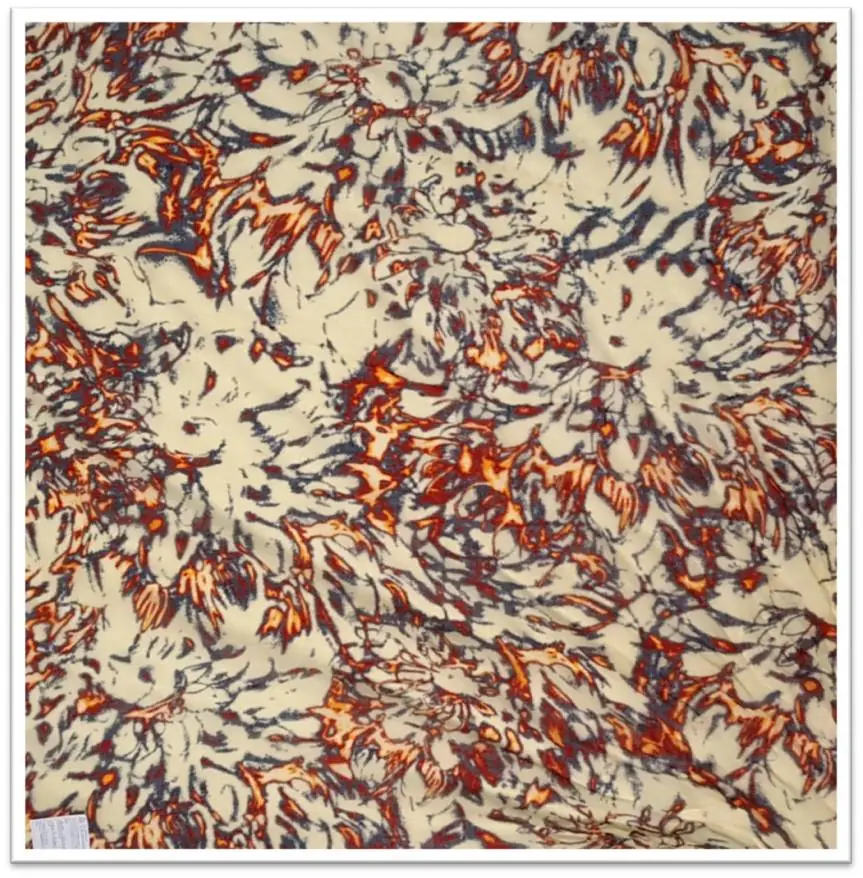
Why does an RGB file not match fabric exactly?
An RGB file does not match fabric exactly because a screen emits light while cloth reflects it. Textile printing software uses a colour profile for each fabric and ink set, so results differ by base.
How do RGB, CMYK and a physical reference compare?
For RGB and CMYK, the table below gives the figures. General guidance; ask your printer for its preferred workflow.
| Reference | Best for | Limit |
|---|---|---|
| RGB file | Bright designs, photographic images | Screen colour is not a promise |
| CMYK file | Designs already built for paper | Bright shades may be lost |
| Pantone number | Named brand colours | Fabric may not reach every shade |
| Physical swatch | The most reliable colour target | Needs to be sent to the printer |
When is a CMYK file a problem?
A CMYK file becomes a problem when it was built for paper and has already lost its brightest colours in conversion. Printing cannot restore what the conversion removed, so keep the original wider-gamut file if you have one.
Should I use Pantone numbers with RGB or CMYK?
A Pantone number works alongside RGB or CMYK files as a target, not a guarantee, because cloth has its own limits. Mention which shades must match, and send a physical swatch if possible.